
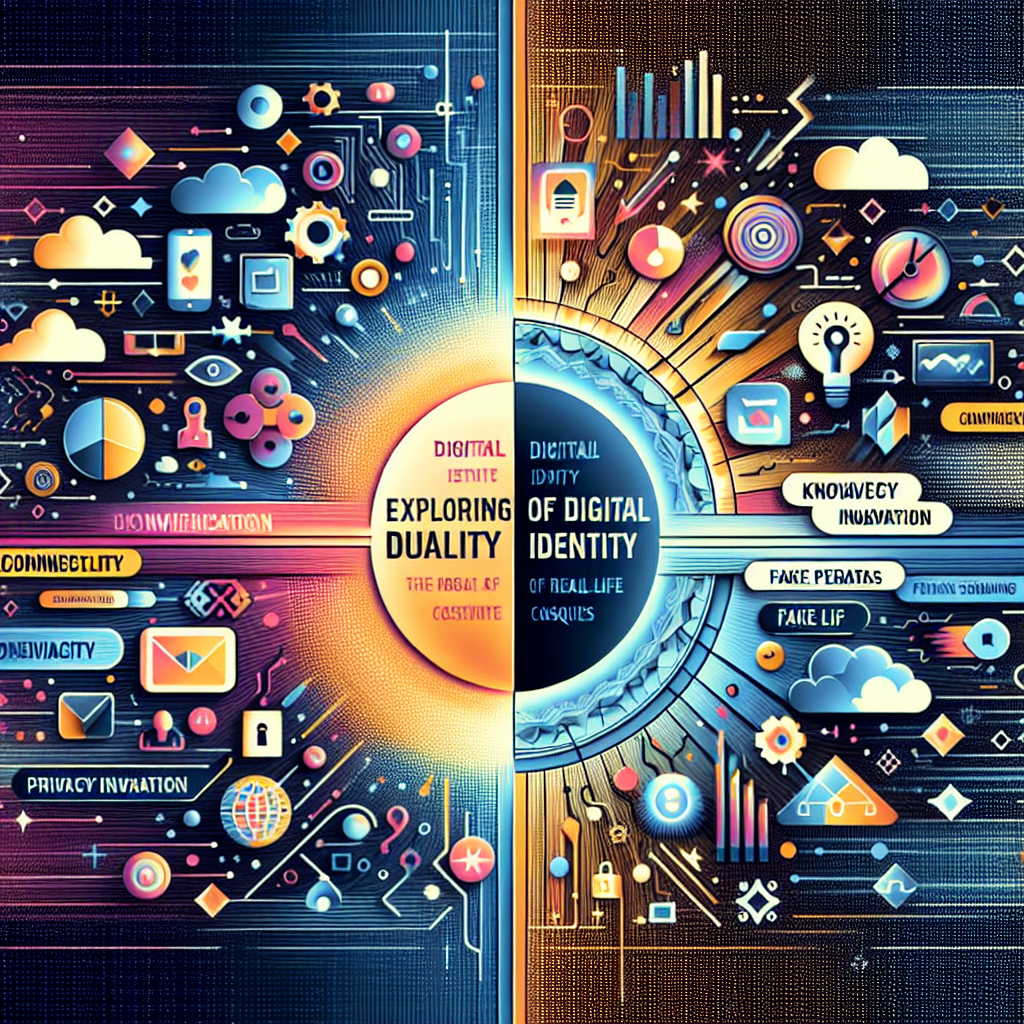
Digital Identity: The Jekyll and Hyde of Modern Society?
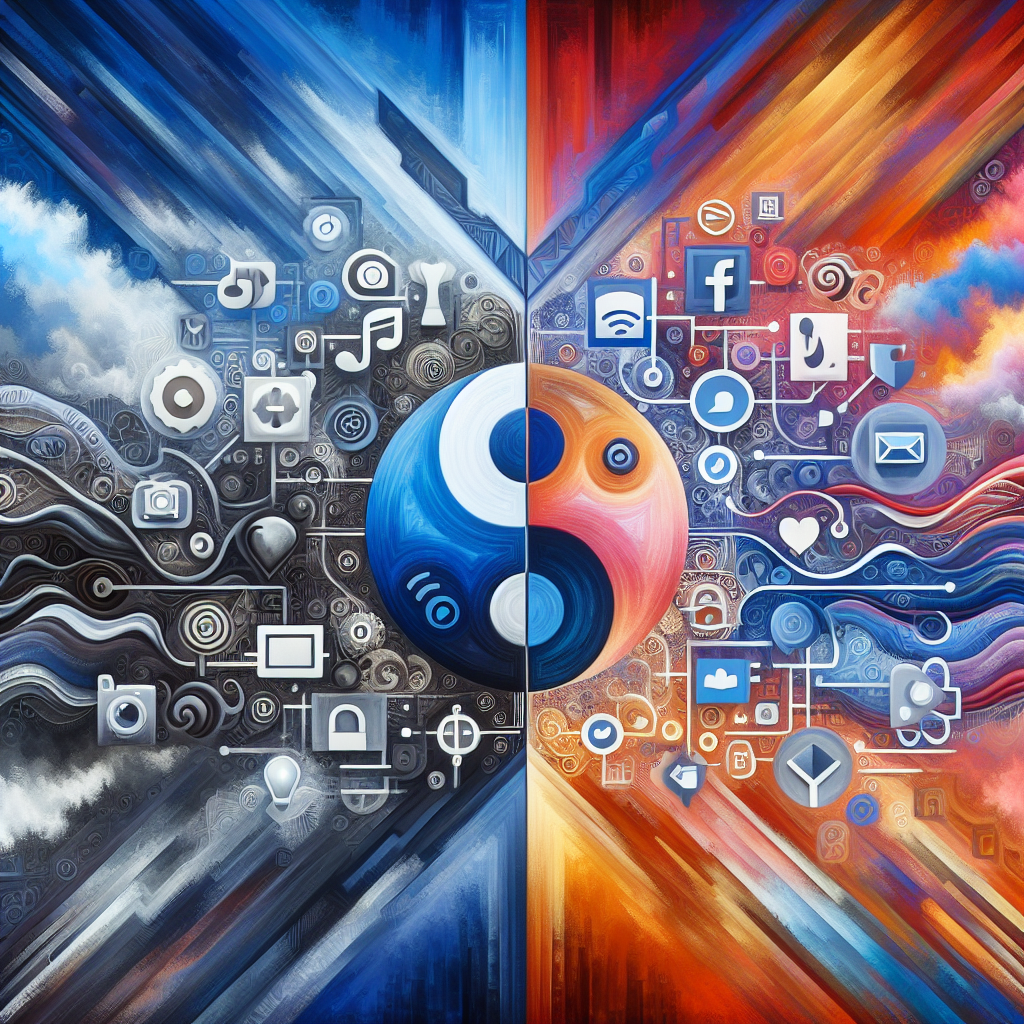
For decades, science fiction writers have grappled with the concept of the duality of man. Thanks in part to the internet and the rise of social media platforms, it seems we might be living through our own exploration of human duality. Only instead of transforming into an evil persona, we’re often presenting idealized, heavily curated versions of ourselves. And if that’s not strange, here’s a spin: the person we are online might be more familiar to people than who we are in the physical world. Hard to digest? Let’s untangle that thought.
We live in an exceptional period of humanity where we continually mold, distort, and invent our identities, most prominently in the digital landscape. We create our online avatars meticulously, a canvas where we exhibit desired aspects of ourselves. But how is this ability to fabricate a digital persona impacting society at large? What are the implications, both good and bad, of this new-found power?
Wouldn’t it be fascinating to consider that your digital self, the persona that you fashion so carefully, is nothing like your real self? It certainly sounds like an exciting paradox, but let’s take this conversation further.
The Power of Digital Identity
This era of digital existence offers us unparalleled control over our identity. Each post, tweet, share, or like is a brush stroke, painting a complex picture of who we wish to be or to be seen as. We consciously choose to identify with certain elements, gadgets, memes, or dissociate ourselves from specific issues or events. Our shares and retweets, our comments, memes, and emojis all add to this complex puzzle.
Yet the beauty—or perhaps the irony—in it lies in the potential disparity between the digital and real self. What if the realm of social media features a person who’s scarcely recognizable in your day-to-day life? Would that be problematic? Or is it just another facet of modern living?
The Double-Edged Sword of Digital Identity
Creating a digital persona is a road with two directions. On one side, we have an opportunity to explore our identities like never before. It can spark self-discovery and growth, as we evaluate our beliefs, aspirations, and stance on various issues.
On the flip side, curating a digital identity might lead to an unrealistic perception of self. As we strive to express our individuality online, we often end up fitting into a cookie-cutter mold of shiny profile pictures, witty captions, and idyllic travel posts. But does that matter? Should it matter? Who’s the judge of authenticity in this digital landscape?
The Influence of Digital Identity on Society
The way we present ourselves online can have far-reaching impacts on society, affecting everything from societal norms, politics, to our personal relationships. Let’s consider the impact of influencers, for example.
Online influencers, with their carefully crafted digital identities, promote everything from fashion to mental health awareness. Our attitude towards them hinges solely on their digital presentation, rarely supplemented by any real-life interactions.
But here’s where the chicken-and-egg scenario presents itself. Do influencers shape society, or does society shape influencers? Or is it a back-and-forth dance where we all influence each other inadvertently?
Psychological Impact of Digital Identity
The creation and maintenance of an attractive digital persona can exact a heavy psychological toll. A new breed of anxiety, related to social media and the self-imposed pressure to perpetuate an ideal self-image, is on the rise, particularly among youth.
The constant hunt for validation and comparison with others can lead to mental exhaustion, with users spending more time focusing on their online lives than experiencing their actual lives. It’s like perpetually being on a public stage that never turns its lights off.
Conclusion: The Intricacies of Our Pixelated Selves
Navigating digital existence is complex and multi-faceted. Digital identities can be instruments of self-discovery and societal change but can also breed anxiety and forge unrealistic standards.
Our digital selves mirror our real lives, but the mirrored image often morphs into an idealized construct, a perfection untenable in real life. Striking a balance between authenticity and allure is a narrow tightrope walk.
As we continually redefine the lines between our physical selves and our pixelated selves, how true to reality do we want to remain? And should we consider retreating from our digital personas for a healthier outlook?
But what’s your view on that? Do you agree that we need to rethink our relationship with our digital identities? Should we consider a digital detox? Or is embracing these pixelated mirrors simply the next logical evolution in our social behavior?
Here’s a thought: let’s take this conversation to the next level. Leave a comment, send a tweet, or write a response. Together, we can evolve the dialogue on our digital identities and their impact on society. Yours, in pixels and real life.