

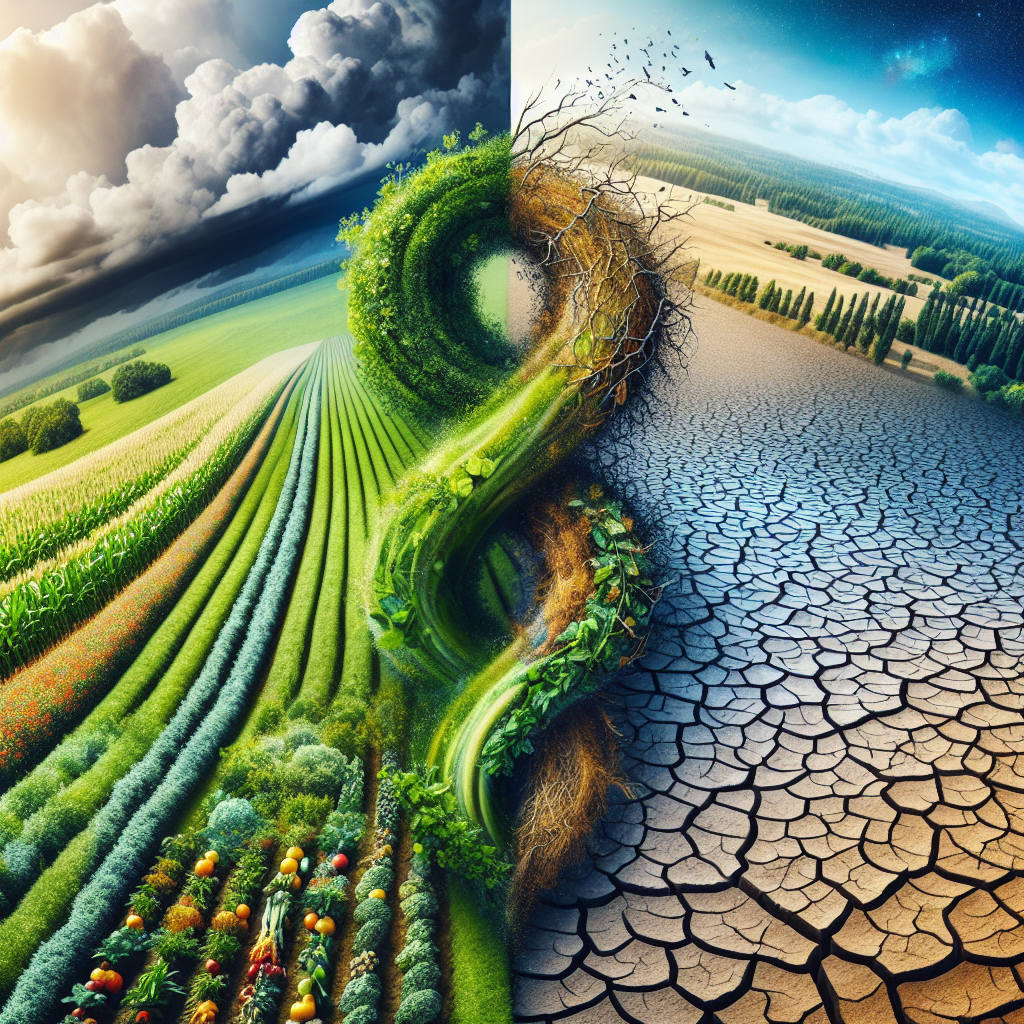
The Impact of Climate Change on Agriculture: A General Perspective
Climate change, the gradual alteration in Earth’s temperature due to human activities and natural phenomena, is an omnipresent topic that disciplines across the spectrum can’t seem to ignore – including agriculture. How has climate change affected our agriculture? Have farming methods and output been influenced?
In this blog post, we will delve into the intertwined relationship between agriculture and climate change. As climate change is a complex, compelling, and at times mysterious subject, we will employ simple language to explore the topic so that readers of all backgrounds can follow. Let the journey begin.
Global Warming and Agriculture
Global warming, a key factor in climate change, is the gradual increase in Earth’s average temperature due to heightened greenhouse gas concentrations. This change in atmospheric conditions can lead to various environmental effects such as increased frequency of destructive weather events, sea-level rise, and shifts in precipitation patterns.
Agriculture is not immune to these disruptions. Farming highly depends on specific climate conditions; a slight shift can upset the balance and drastically affect output. Alterations to the Earth’s climate affect the range, health, productivity, and quality of crops and livestock.
How, you may ask? Let’s explore.
Climate Change and Crop Productivity
Global warming has the power to modify growing seasons. Changes in temperature and rainfall patterns may cause shifts in planting dates. However, this isn’t necessarily a positive aspect. For instance, while longer growing seasons can allow for more multiple crop yields, they often coincide with rising heat levels that can be harmful to plants.
These increasing temperatures often result in heat stress for plants that halts their development and have detrimental effects on yield quality and quantity. Additionally, the rise in CO2 levels, while helping plant growth at a basic level, can reduce the nutritional value of crops.
What about our fruits and vegetables?
Changes in seasonal timing also have significant implications for the pollination times of fruit and vegetable crops. For instance, if flowers bloom earlier due to increased temperatures and pollinators aren’t active yet, pollination may not take place, leading to reduced crop yields.
Climate Change and Livestock
Now, let’s talk about our meat and dairy products. Livestock, like crops, are affected by changing climatic conditions. Rising temperatures can induce heat stress in animals, leading to decreased productivity. For instance, dairy cows often produce less milk during hotter weather.
Furthermore, changes in grazing conditions due to altered rainfall patterns can also affect livestock health and yield. Without adequate feed and water, animals’ health deteriorates, and they might not produce optimally.
Aquaculture is another sector that is feeling the pinch of climate change. Rising water temperatures and increased ocean acidity levels affect the survival and productivity of fishes and other marine species.
Impacts on Agriculture – A Wider Perspective
While the aforementioned points demonstrate the direct impacts of climate change on agriculture, it’s crucial to look at the bigger picture.
For example, increased instances of extreme weather events like hurricanes, typhoons, storm surges, and prolonged droughts can severely disrupt farming operations. A single storm can wipe out an entire season’s worth of crops, leaving farmers in dire straits.
On another note, an upsurge in pests, pathogens, and weeds due to changing temperatures and CO2 levels brings about new challenges for farmers. Many insects breed faster under warm conditions, leading to increased infestations and greater damage to crops.
Lastly, these climatic changes have potentially disastrous implications for food security globally. With reduced crop yields and livestock productivity, the world faces potential food shortages, further exacerbated by a continually growing population. This poses a real threat to our future.
Adaptation and Technological Innovations
Despite the challenges, all isn’t doom and gloom. Farmers, agricultural scientists, and policymakers worldwide are tirelessly exploring new methods and adapting traditional practices to mitigate climate change’s effect on agriculture. Use of technology, improved farming systems, and crop varieties resistant to heat, drought, and pests are some of the coping strategies already in place.
Moreover, people are starting to focus on sustainable farming and livestock management practices, like organic farming, permaculture, and agroforestry, which not only help adapt to climate change but also contribute to its mitigation by lowering greenhouse gas emissions.
In Conclusion
There’s no mistaking that climate change and agriculture are inextricably linked, with climate change significantly impacting agriculture. However, with adaptation and innovation, there’s hope for mitigating the impacts and possibly even turning the tide. It’s a global challenge, one that requires us all, from consumers to farmers to policymakers, to tackle it head-on. After all, our future literally depends on it.
As always, thanks for joining us. Stay tuned for our upcoming posts on various topics. Until next time!