Latest videos
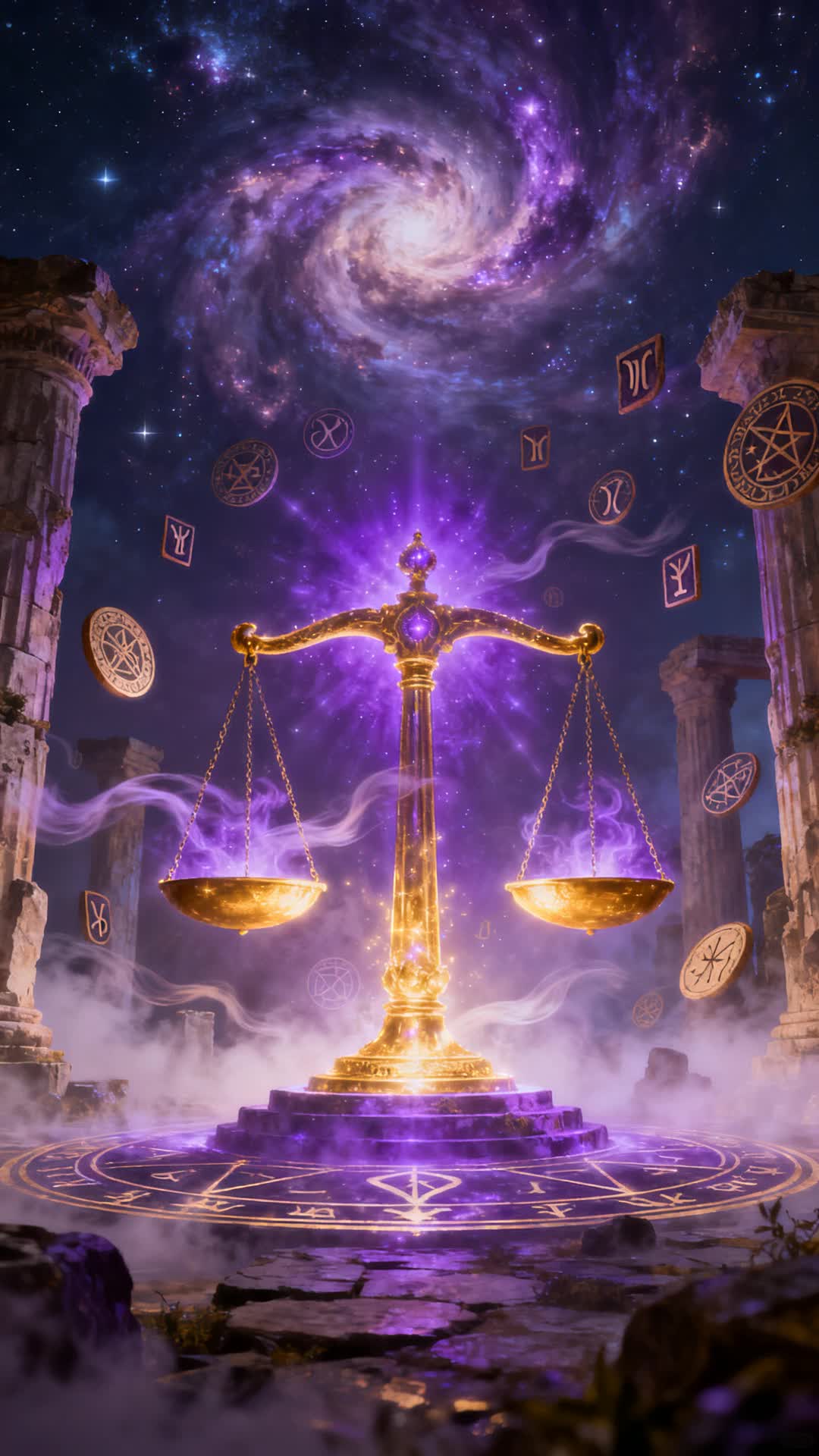
Dear Libra, today the universe whispers of harmony and possibility swirling around you. Your natural sense of balance will guide you through any confusion, while gentle interactions could spark unexpected moments of joy. Trust your intuition—new opportunities are quietly unfolding if you remain open-hearted. Embrace your inner peace, and let your charm create beautiful connections. Step into your power, for today is your day to shine brilliantly!
#Libra #horoscope #astrology #shorts
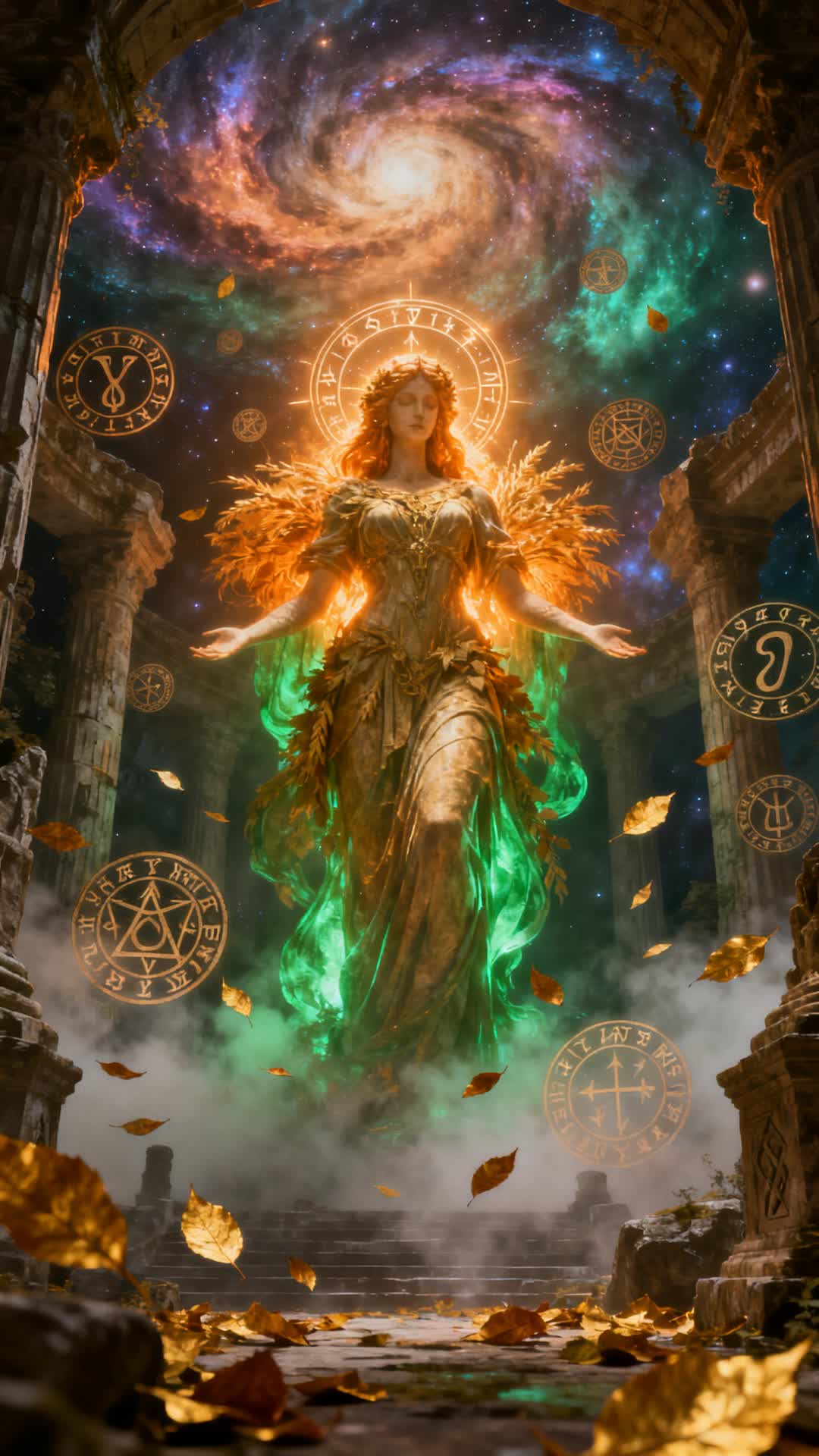
Dear Virgo, today your keen eye for detail shines even brighter, helping you navigate through subtle challenges with grace and precision. Trust your instincts, as opportunities are hidden within the small moments you usually overlook. Embrace your analytical nature, but let your intuition guide you as well. The universe is aligning to reward your hard work and dedication—let your inner wisdom lead you to magical outcomes!
#Virgo #horoscope #astrology #shorts
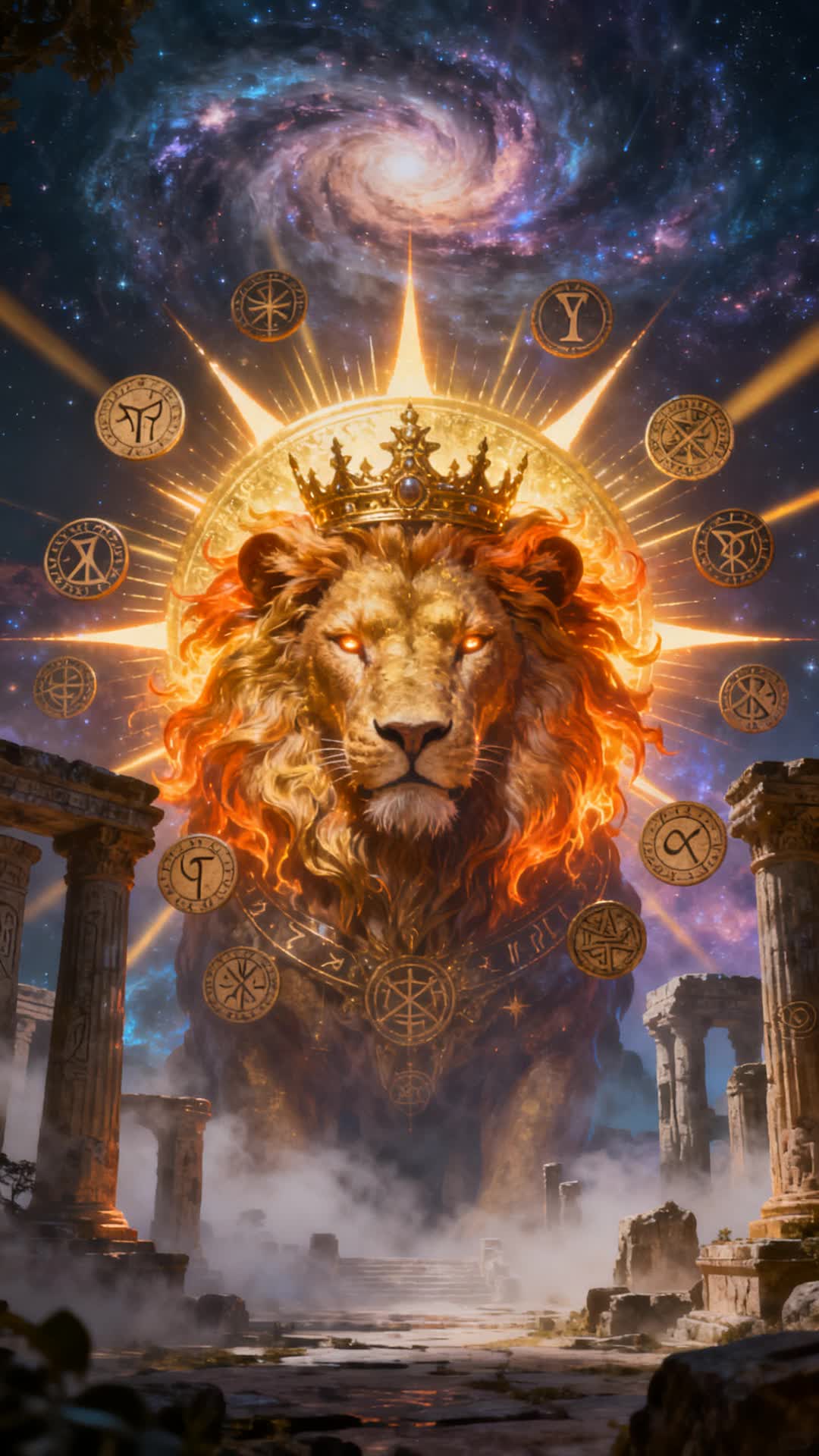
Dear Leo, today, an electric energy swirls around you, igniting your natural confidence and charisma. Trust your instincts as you step forward; opportunities are magnetized to your bold presence. Connections made now may have a fated touch, so keep your heart open. Let your inner fire guide your actions and illuminate your path—you are destined to shine brighter than ever before!
#Leo #horoscope #astrology #shorts
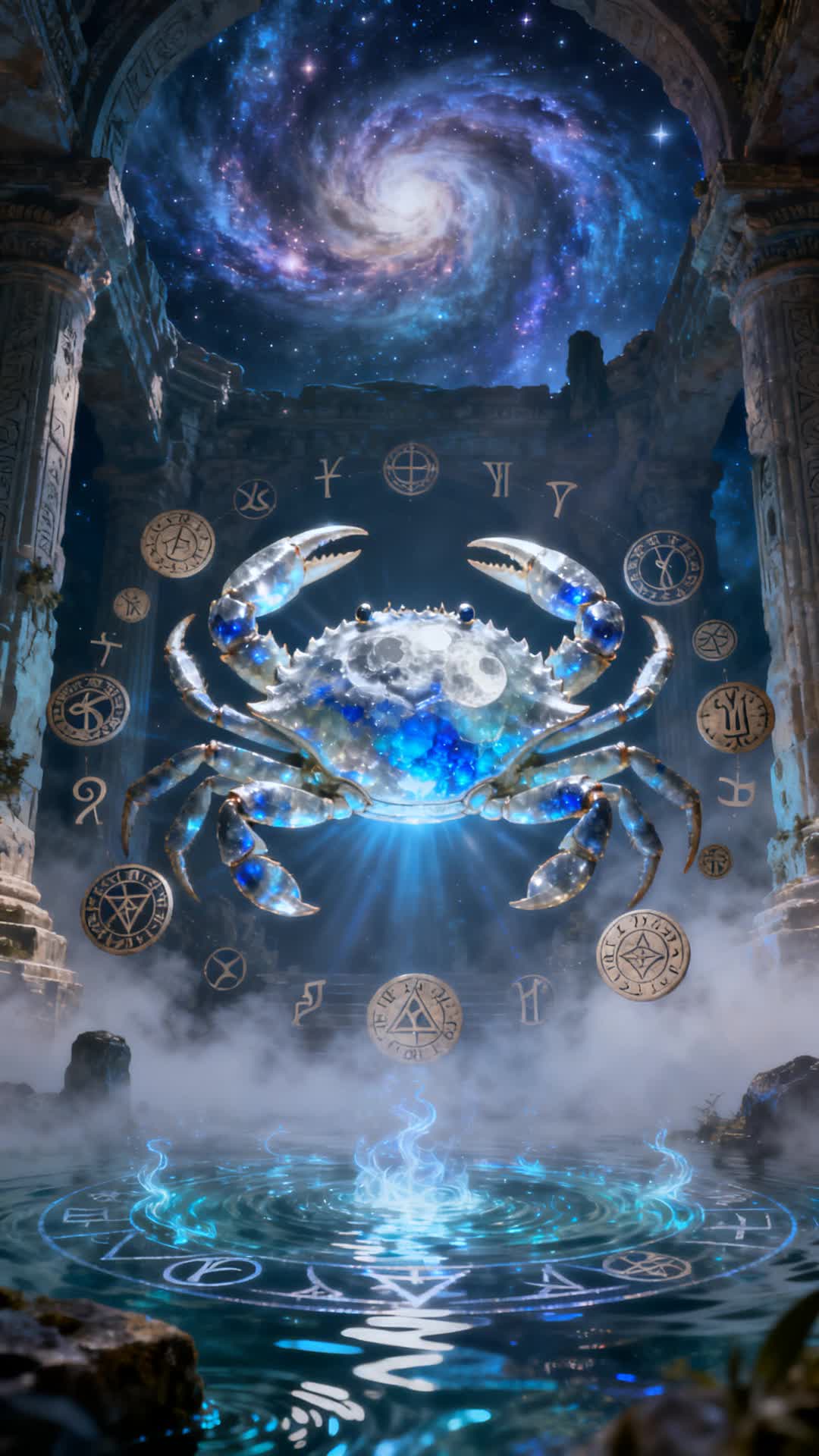
Dear Cancer, today your intuition is heightened, guiding you toward decisions that feel just right in your heart. Embrace the gentle waves of emotion that arise—they are messengers leading you to deeper understanding. Your nurturing spirit draws people closer, and a timely conversation may open doors to new opportunities. Trust in your inner wisdom, for the universe is aligning beautiful moments just for you!
#Cancer #horoscope #astrology #shorts
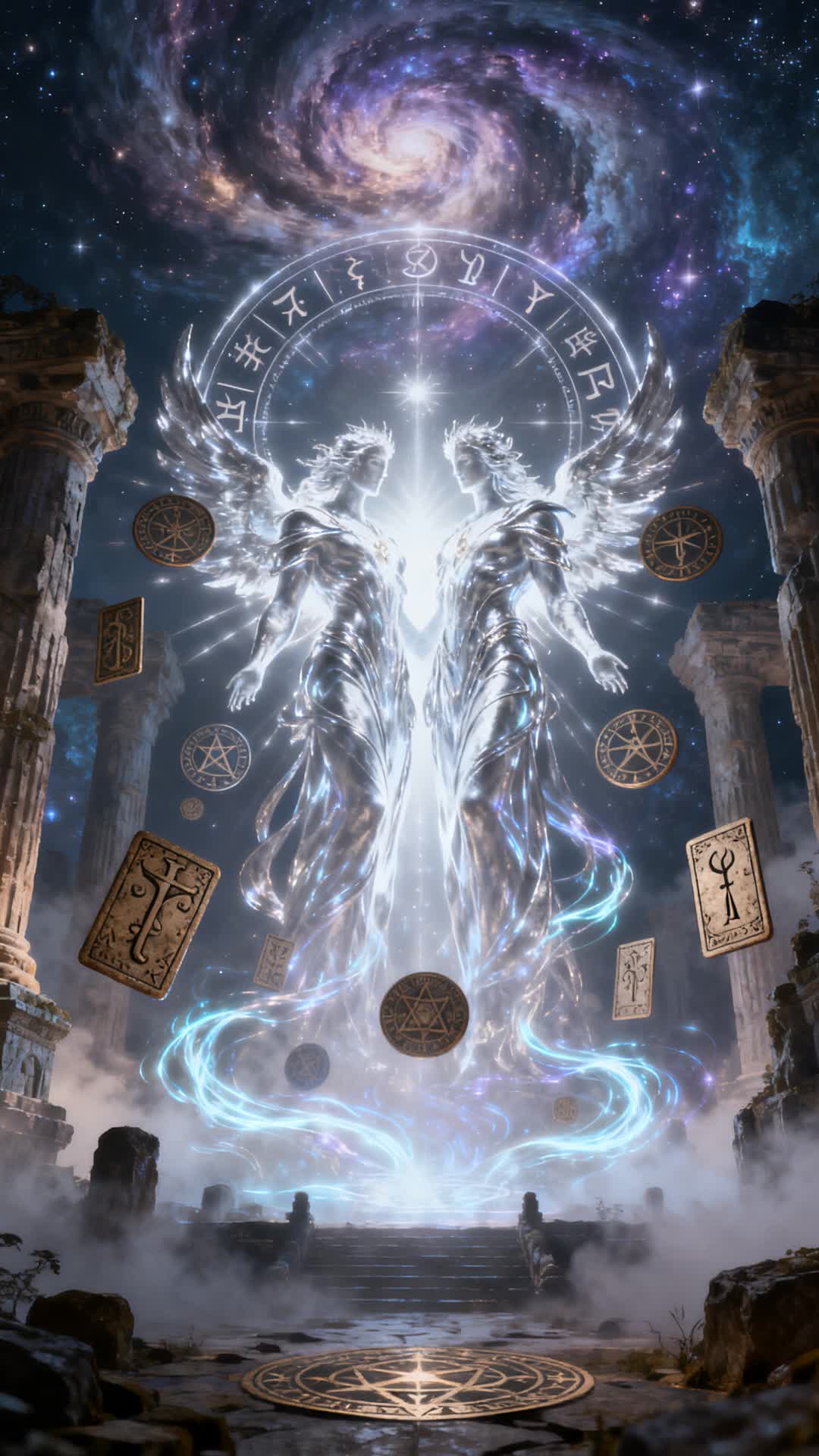
Dear Gemini, today the winds of curiosity swirl around you, inviting your mind to explore new perspectives and ideas. Your natural wit and charm will open doors in unexpected places, so trust your instincts and follow where inspiration leads. Connections sparked today could ignite adventures tomorrow. Embrace the duality within you as your greatest strength. Trust the journey and let your spirit soar—you hold the magic within!
#Gemini #horoscope #astrology #shorts
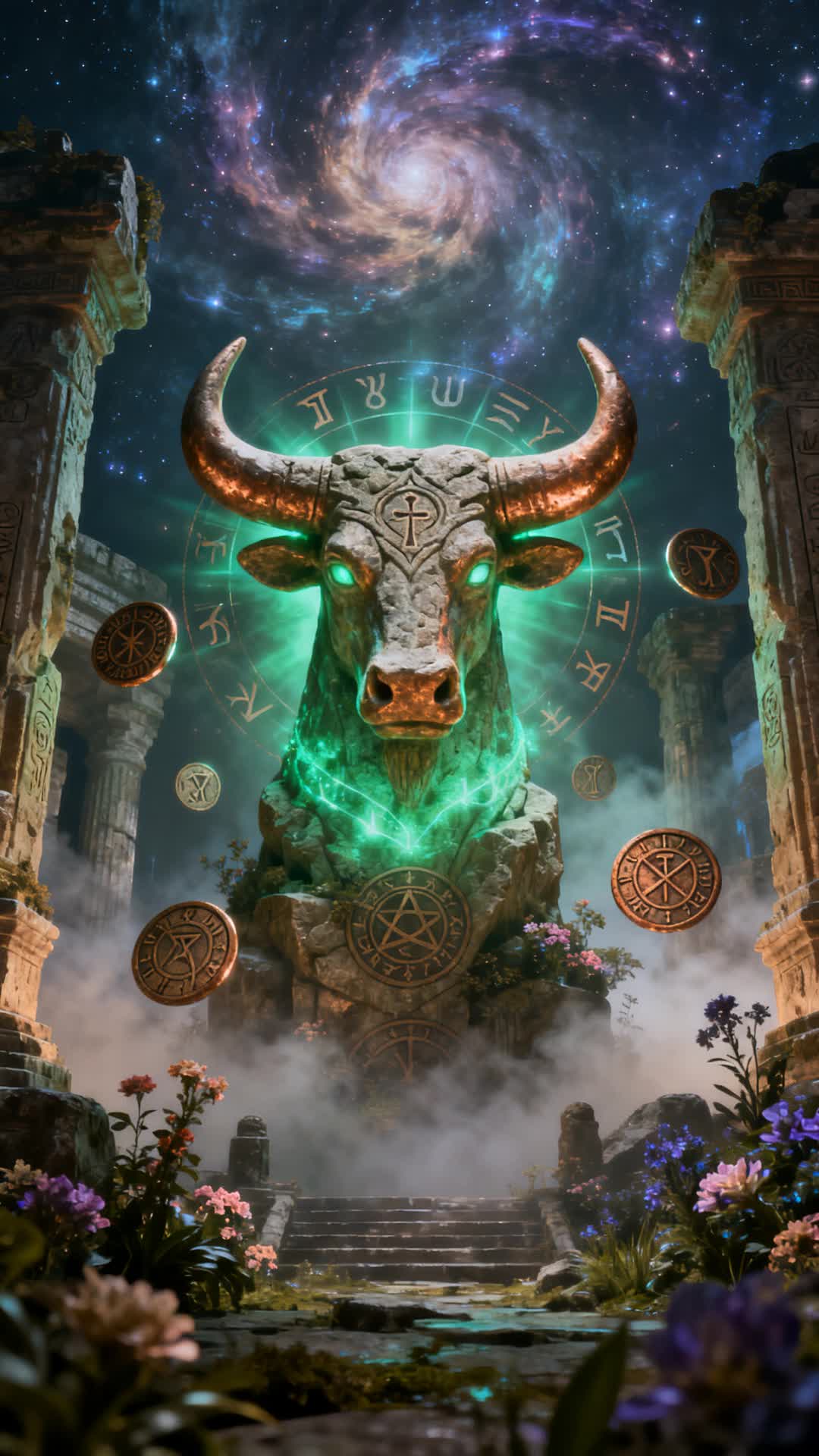
Dear Taurus, today the universe invites you to trust your instincts and embrace your inner strength. Practical decisions made with calm resolve will bring you closer to your dreams. Pay attention to subtle signs—they hold hidden messages guiding your path. Let your natural patience lead the way, and remember, the energy you invest now will blossom into abundance. Rise with confidence, for destiny is truly on your side!
#Taurus #horoscope #astrology #shorts
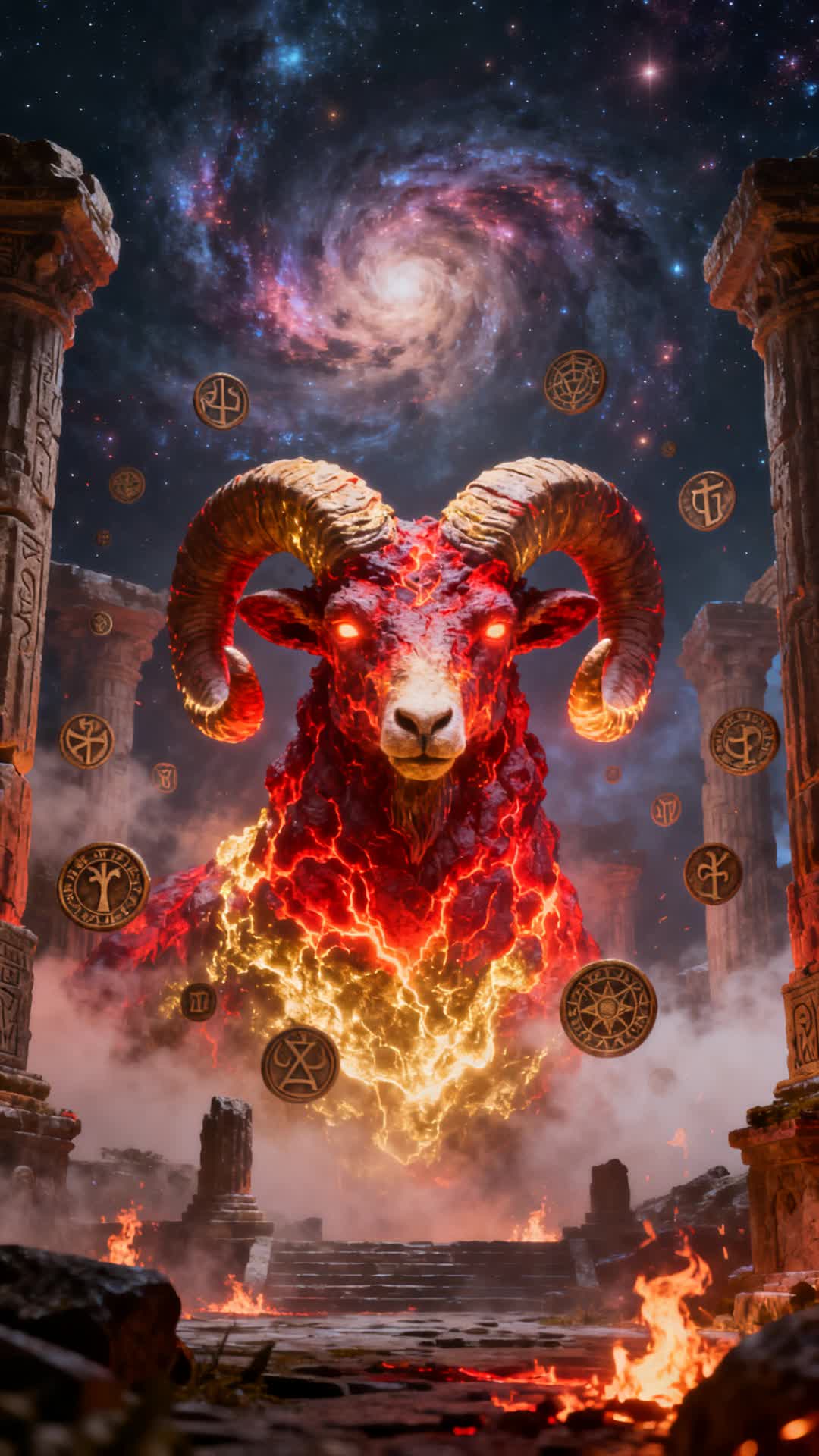
Dear Aries, today the universe stirs your fiery spirit, urging you to face new challenges head-on. As the sun aligns with your ruling planet Mars, your confidence shines bright, attracting fresh opportunities and inspiring those around you. Trust your instincts and act boldly, for now is the moment to set your intentions ablaze. Embrace your courage, seize every chance, and let your energy ignite extraordinary possibilities!
#Aries #horoscope #astrology #shorts

Sevgili Balık, bugün sezgilerin her zamankinden daha güçlü olabilir ve kalbinde taşıdığın duygular seni yepyeni bir yola çağırıyor. Çevrendekilerin duygularını kolayca hissedebilirsin; bu yüzden iç sesine kulak vermek önemli olacak. Hayallerin ve gerçekler arasında ince bir çizgide yürüyor gibisin. Yolunu hayallerin ışığıyla aydınlatmaktan korkma!
#Balık #burçyorumları #astroloji #shorts
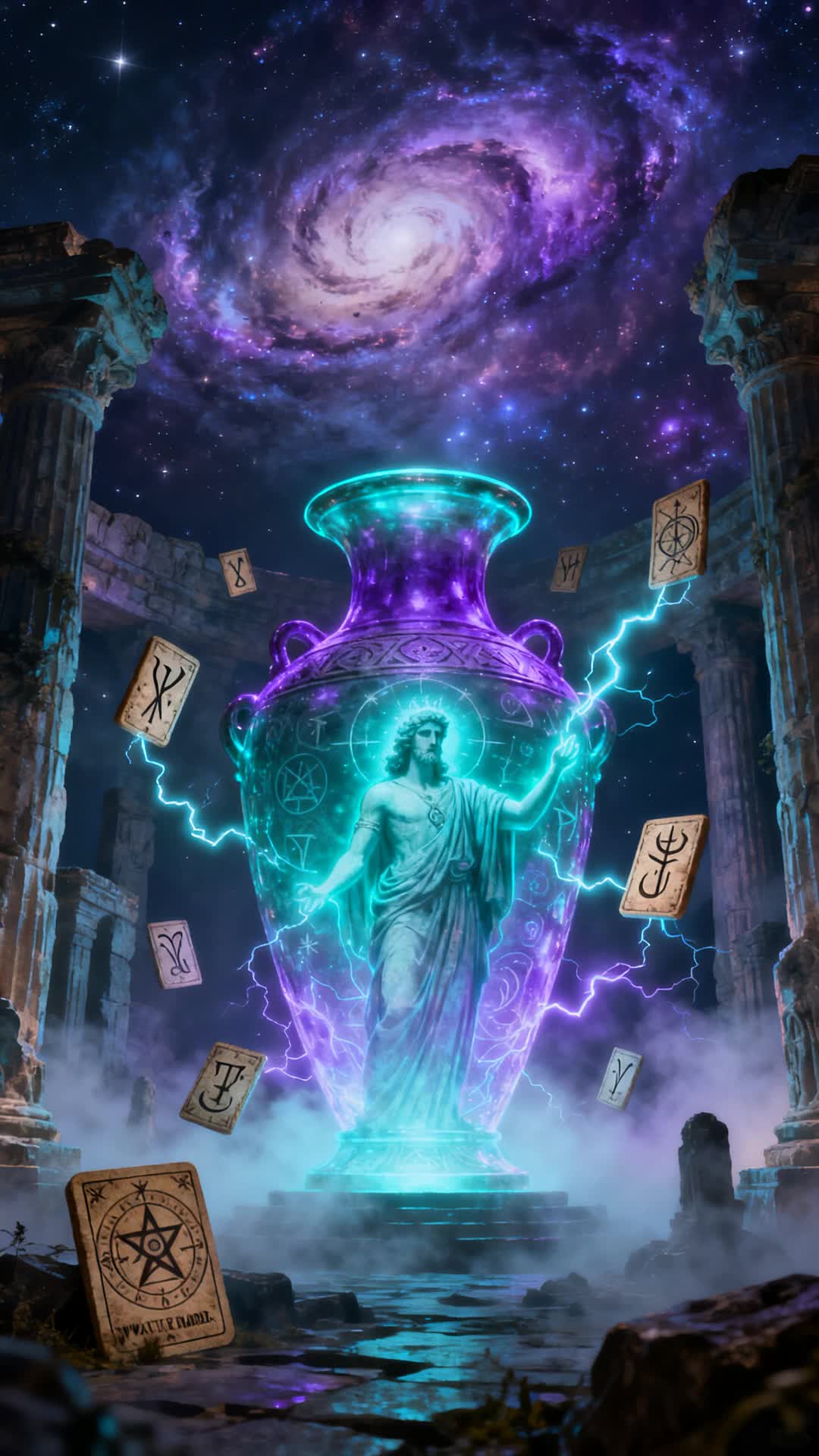
Sevgili Kova, bugün içindeki keşfetme arzusu hiç olmadığı kadar yoğun! Hayat karşına beklenmedik fırsatlar çıkarabilir, sezgilerine güven ve akışta kal. Özellikle sosyal çevrende yeni yüzlerle tanışabilir, ilham aldığın bir sohbetle ufkunu genişletebilirsin. Unutma, farklılığın seni eşsiz kılıyor ve yıldızlar başarıyı yanında taşıyor!
#Kova #burçyorumları #astroloji #shorts
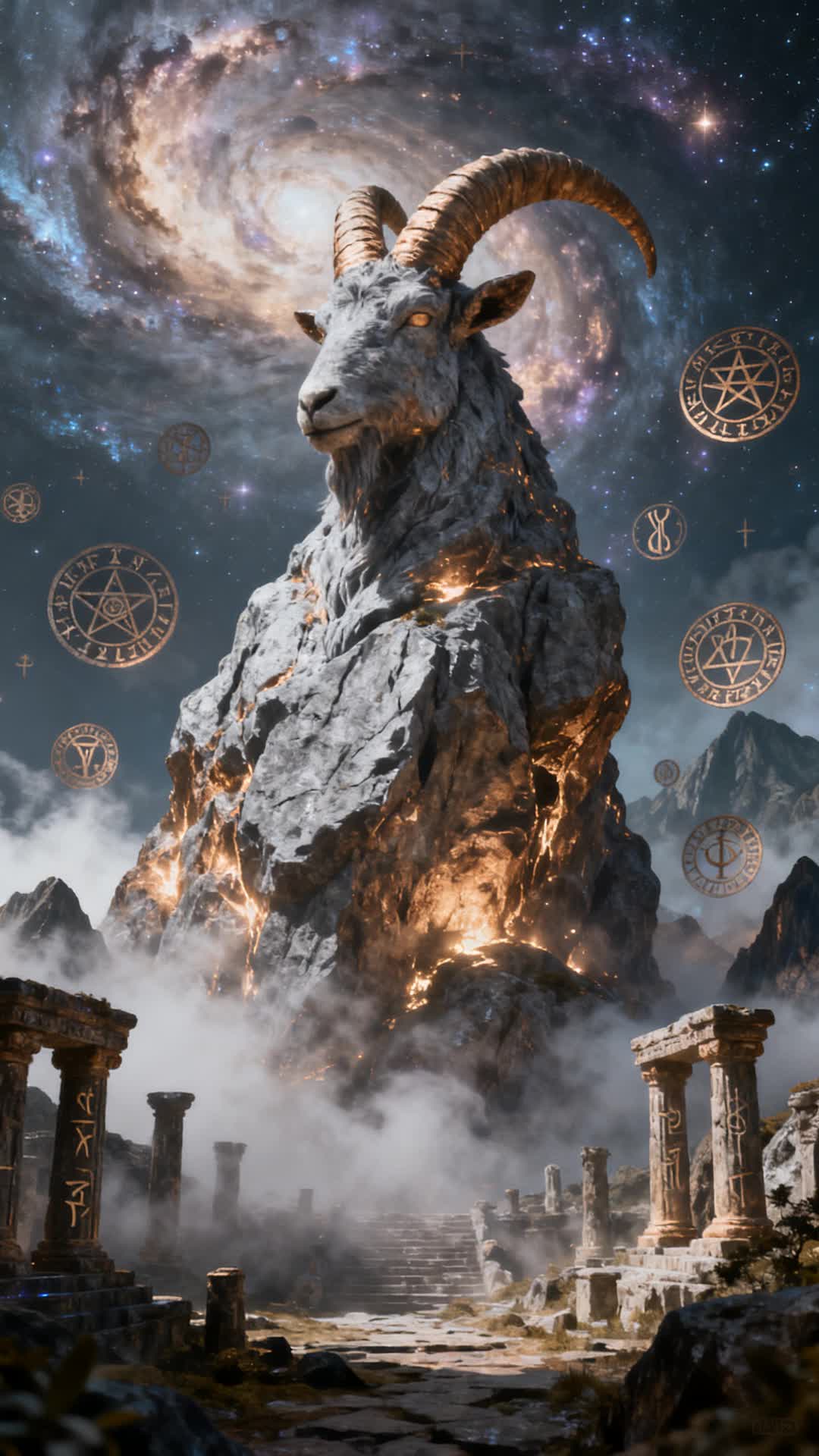
Sevgili Oğlak, bugün enerjinin gizemli bir şekilde yükseldiğini hissedebilirsin. İçinden yükselen sezgilerine kulak ver, çünkü sana yol gösterecek önemli mesajlar barındırıyor. Maddi ve manevi anlamda yeni kapılar açılabilir, cesaretle adım atmak sana çok şey kazandıracak. Ruhunun rehberliğine güven ve hayatının kontrolünü yeniden ele al!
#Oğlak #burçyorumları #astroloji #shorts
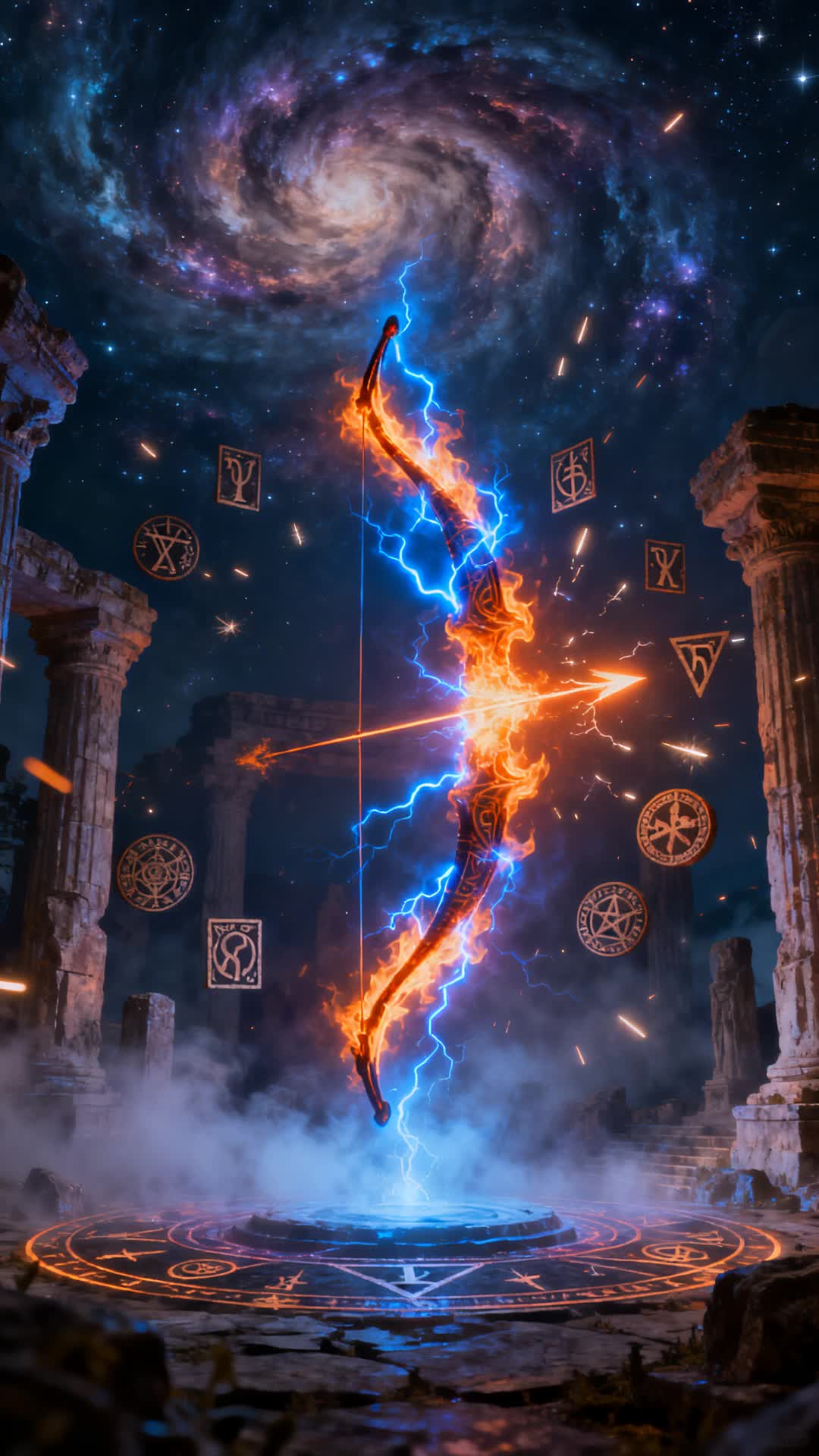
Sevgili Yay, bugün evrenin sana sunduğu sürprizlerle dolu bir yolculuğa çıkıyorsun. İçindeki özgür ruh seni yeni deneyimlere davet ederken, sezgilerine kulak ver ve karşılaştığın fırsatları cesurca kucakla. Hayatın akışına güven, kalbindeki enerjiyi ortaya çıkar. Unutma, bugün senin için her şey mümkün!
#Yay #burçyorumları #astroloji #shorts
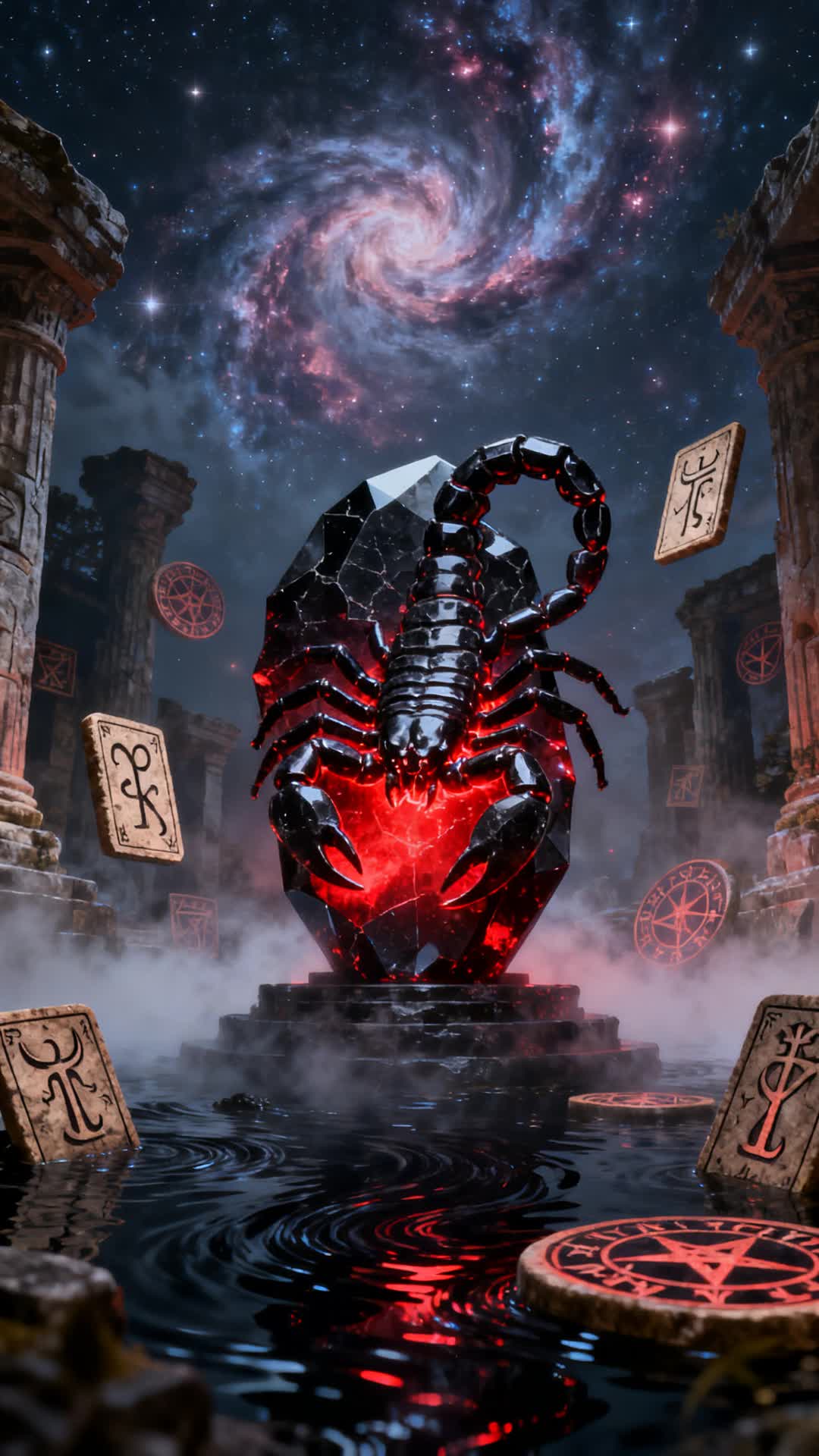
Sevgili Akrep, bugün içsel derinliklerin ve güçlü sezgilerin seni rehberlik ediyor. Gizemli bir enerjin var ve etrafındaki insanlar adeta bu çekime kapılıyor. Duygularındaki yoğunluk, yeni başlangıçlar için sana cesaret verebilir. Saklı kalan sırlar gün yüzüne çıkabilir, sezgilerine güven! Hayatındaki dönüşüme hazır ol, çünkü bugün senin günün!
#Akrep #burçyorumları #astroloji #shorts
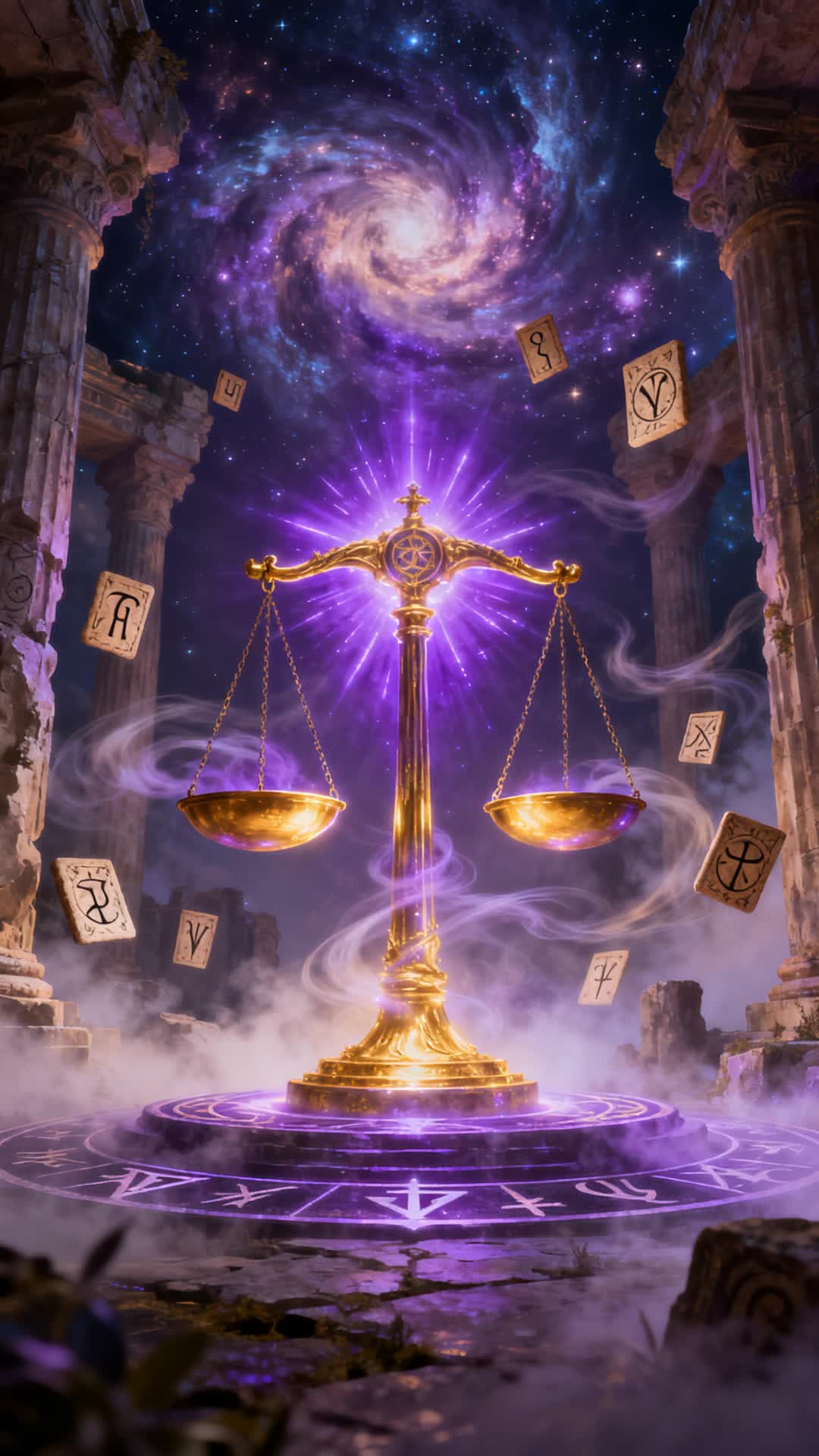
Sevgili Terazi, bugün içsel dengeni koruma gücün her zamankinden fazla olabilir. Güneşim, enerjini pozitif anlamda dönüştürmen için sana destek veriyor. Karşına çıkan fırsatlara açık ol ve başkalarının fikirlerine kulak vermeyi ihmal etme. Sezgilerin çok yüksek, doğru yolu bulmak için kalbini dinle. Hayallerinin peşinden cesurca gitme zamanı şimdi!
#Terazi #burçyorumları #astroloji #shorts
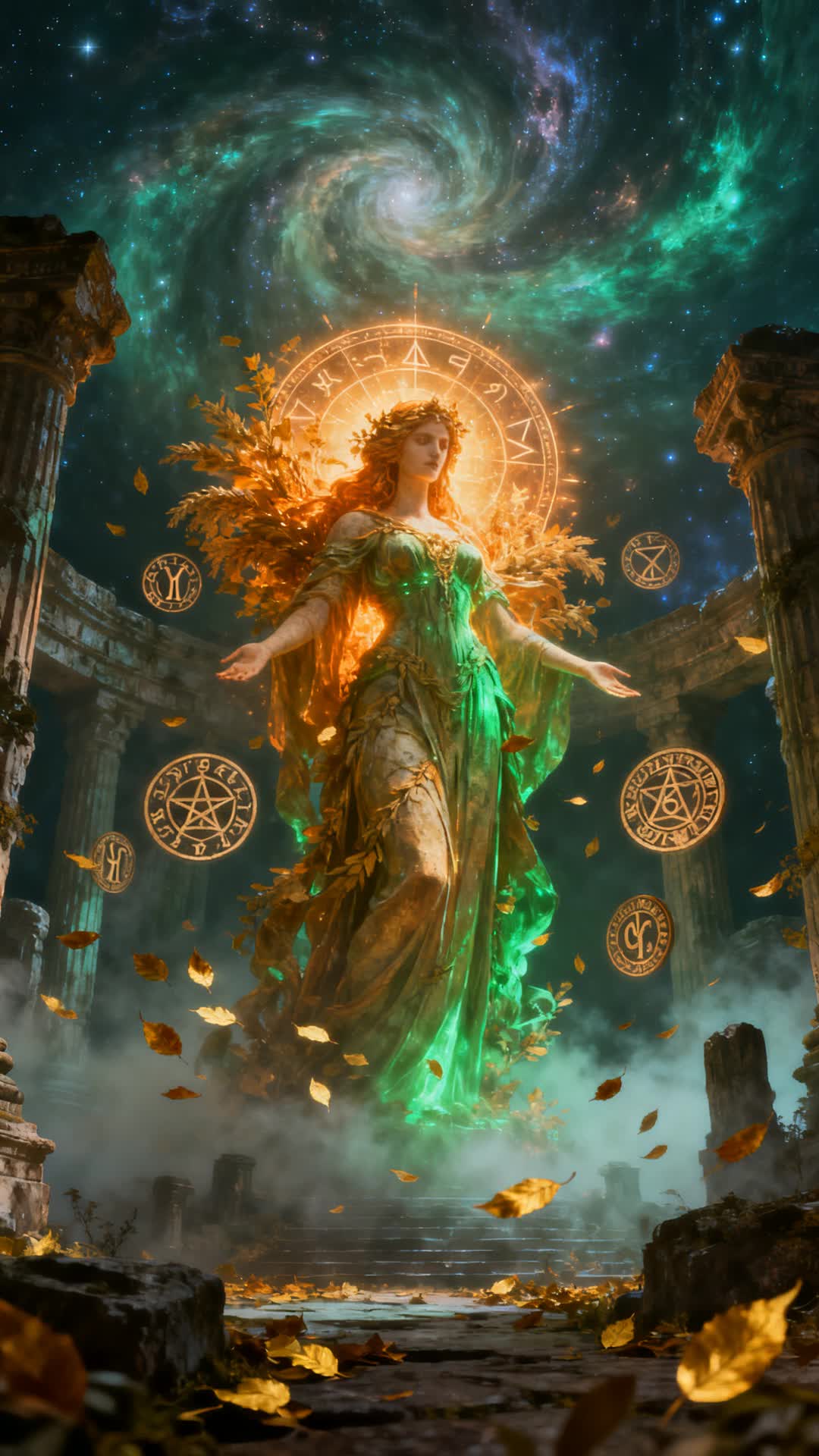
Sevgili Başak, bugün iç dünyana kulak verdiğinde evrenin sana fısıldadığı ince detayları daha net göreceksin. Mantığınla kalbin arasında denge kurarsan, gün boyunca karşına çıkan fırsatlar seni şaşırtabilir. Yeniliklere açık ol ve sezgilerine güven; çünkü bugün yıldızlar sana mistik bir akış vadediyor!
#Başak #burçyorumları #astroloji #shorts
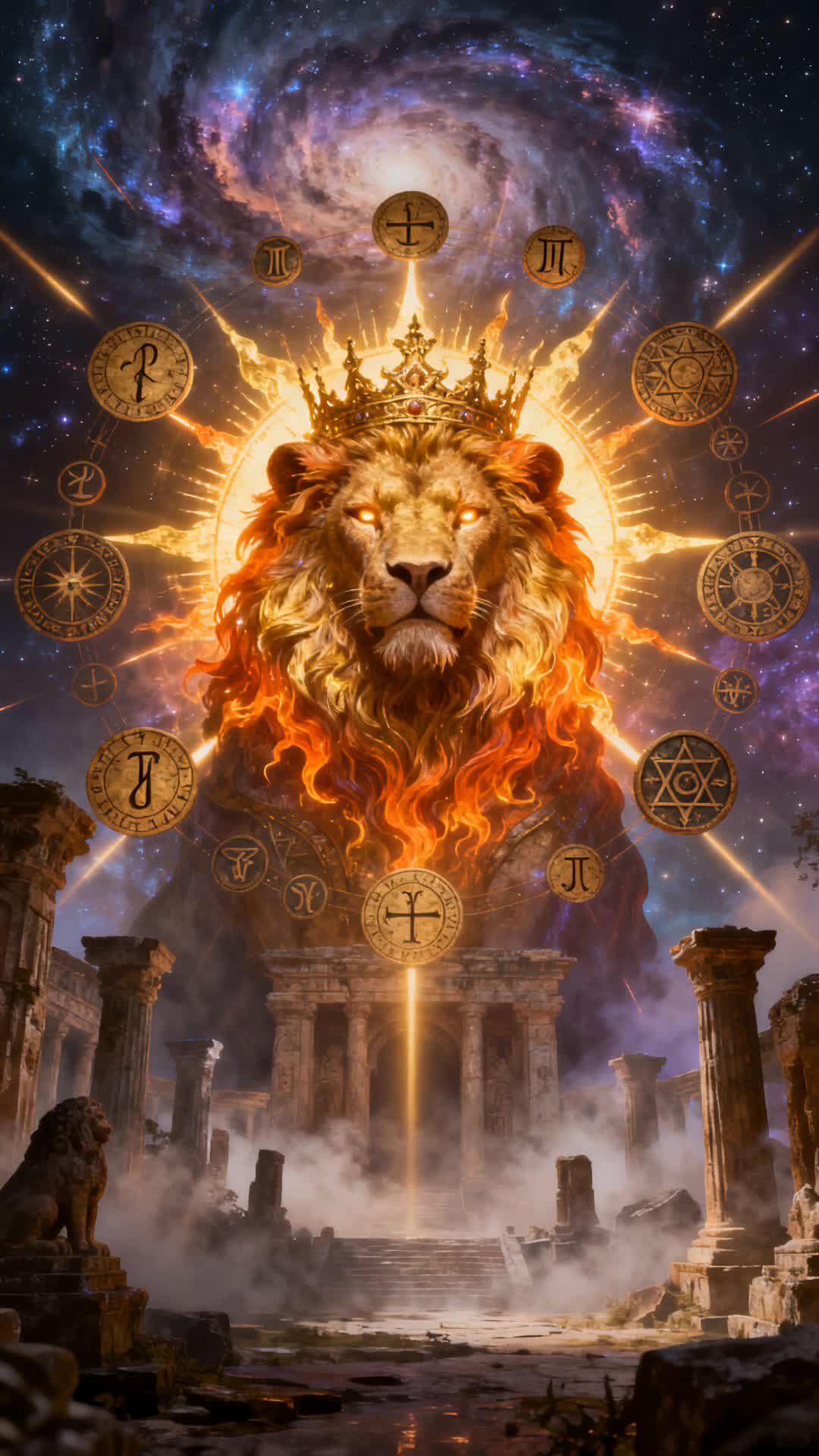
Sevgili Aslan, bugün içindeki sonsuz gücü ve cesareti ortaya koymanın tam zamanı. Etrafındaki insanlar sana ilham vermek ve seni desteklemek isteyebilir, kalbini açık tut. Yaratıcılığını kullanarak yeni başlangıçlar yapabilirsin. Enerjini pozitife yönlendir, hayatının kontrolü senin elinde! Işığın daha da parlarken, etrafındaki herkesi büyüleyeceksin!
#Aslan #burçyorumları #astroloji #shorts
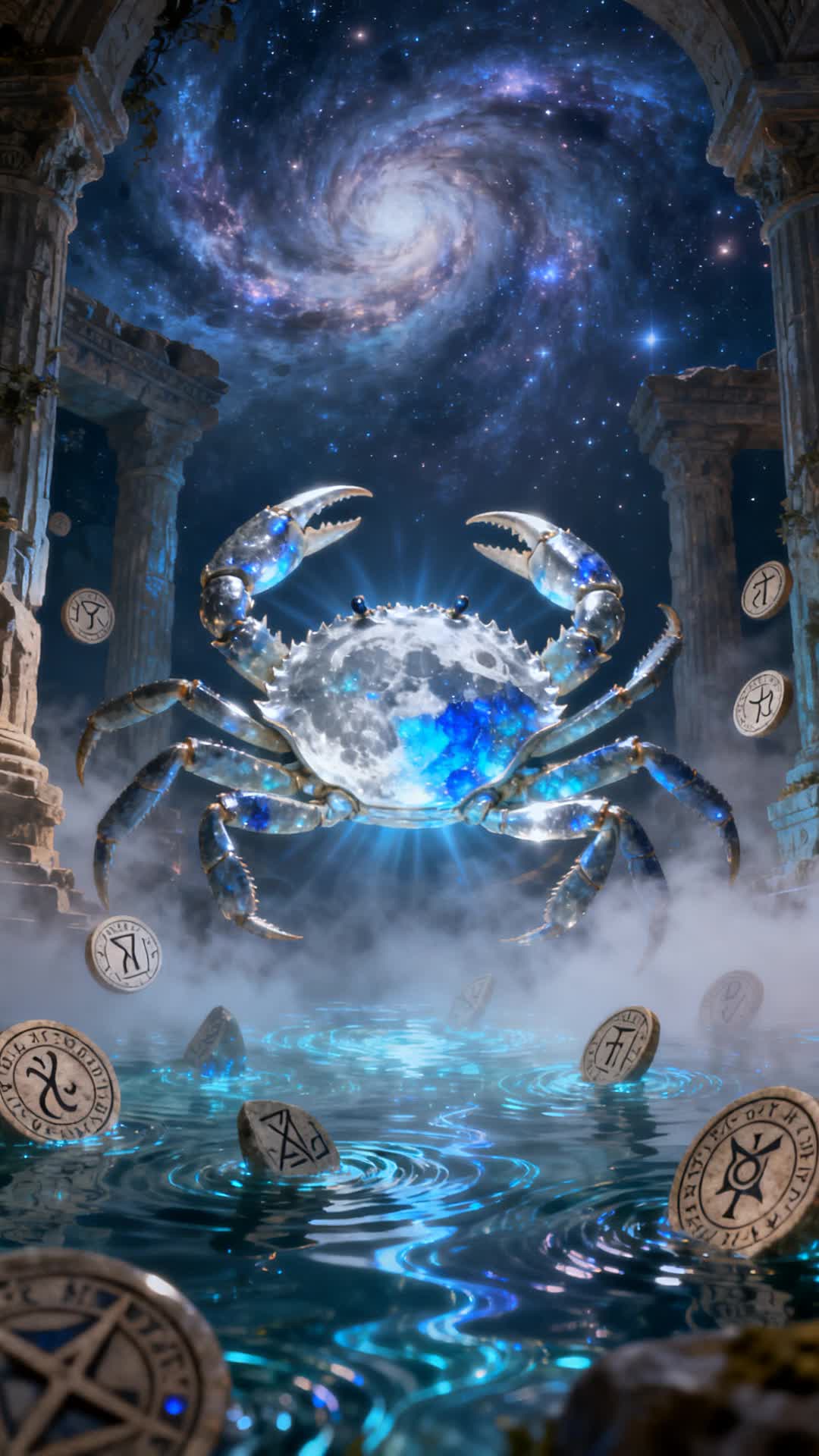
Sevgili Yengeç, bugün kalbindeki derin duyguların gücünü keşfedeceksin. Sezgilerin sana yol gösterirken, geçmişin izlerinden sıyrılıp yeni bir enerjiyle dolabilirsin. Sevdiklerinle arandaki bağlar güçleniyor; şefkatinle çevreni sarma zamanı. İç sesine kulak ver ve kalbini korkusuzca aç, çünkü mucizeler tam da hissettiklerinde saklı!
#Yengeç #burçyorumları #astroloji #shorts
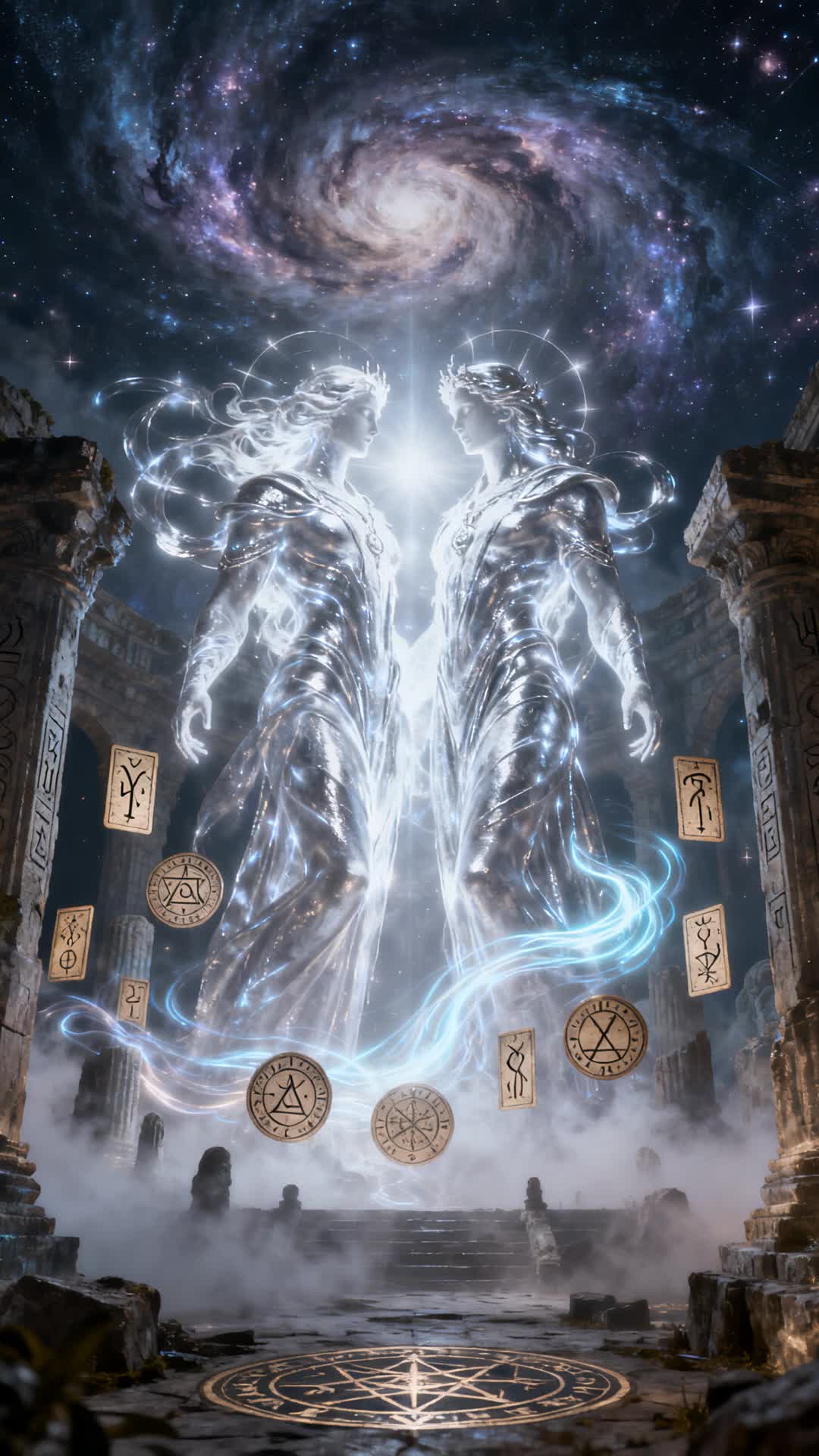
Sevgili İkizler, bugün ruhunun derinliklerinde yankılanan bir enerjiyle uyanıyorsun. İçindeki merak ve keşfetme arzusu seni yeni insanlarla tanışmaya, farklı fikirler denemeye davet ediyor. Bugün gözlerinle değil, kalbinle gör; hislerine güven ve sezgilerini dinle. Yıldızlar senin yanında, bu fırsatı cesurca değerlendir!
#İkizler #burçyorumları #astroloji #shorts
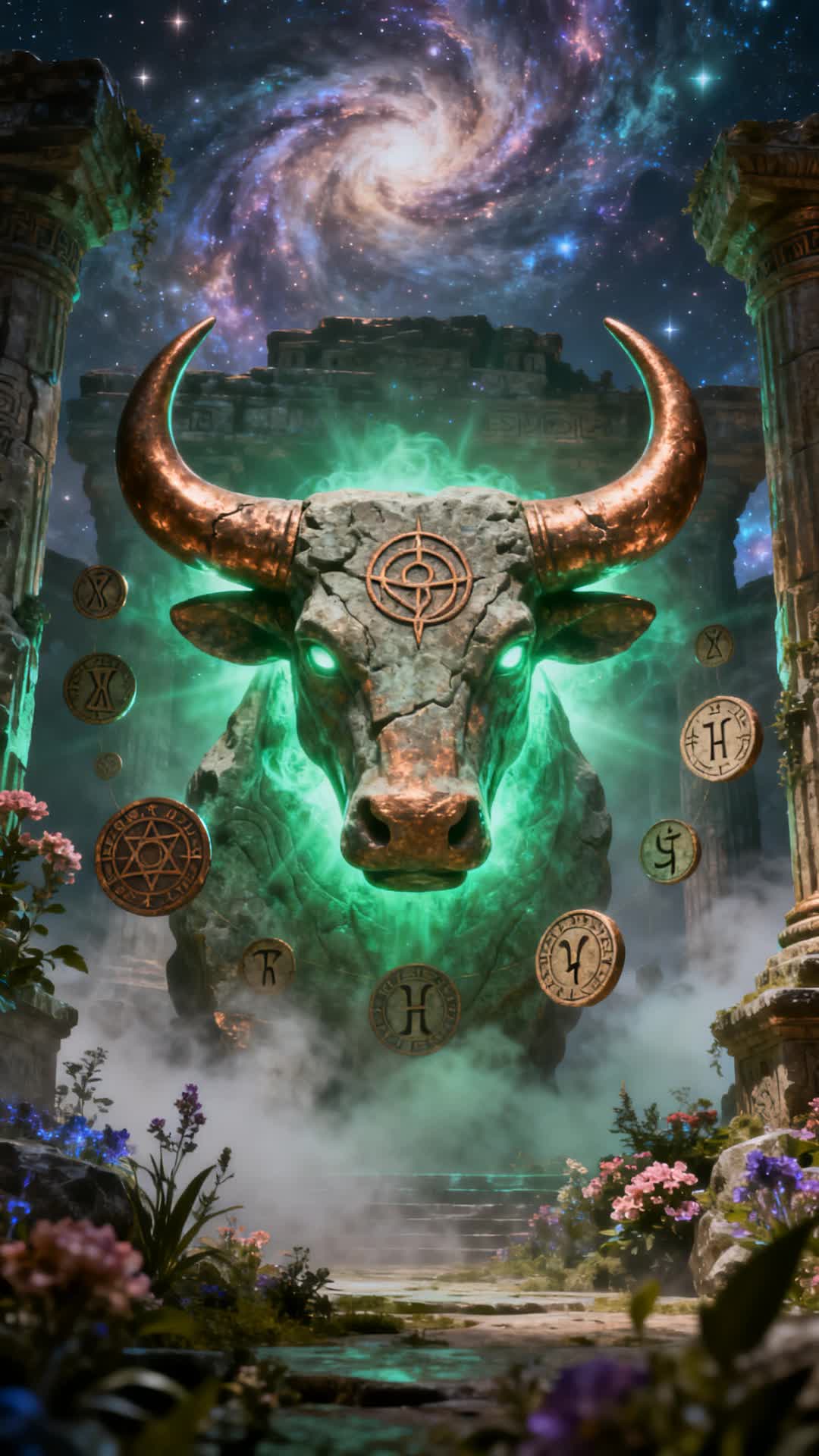
Sevgili Boğa, bugün evrenin gizemli enerjileri sana huzur ve kararlılık getiriyor. İç sesini dinleyip hayallerine bir adım daha yaklaşabilirsin. Kalbinde taşıdığın o sıcaklık, çevrendekilere de ilham verecek. Aşk ve dostlukta somut adımlar atmak için doğru bir zamandasın. Işığını saklama, kendine güven ve hayatı tutkuyla kucakla!
#Boğa #burçyorumları #astroloji #shorts
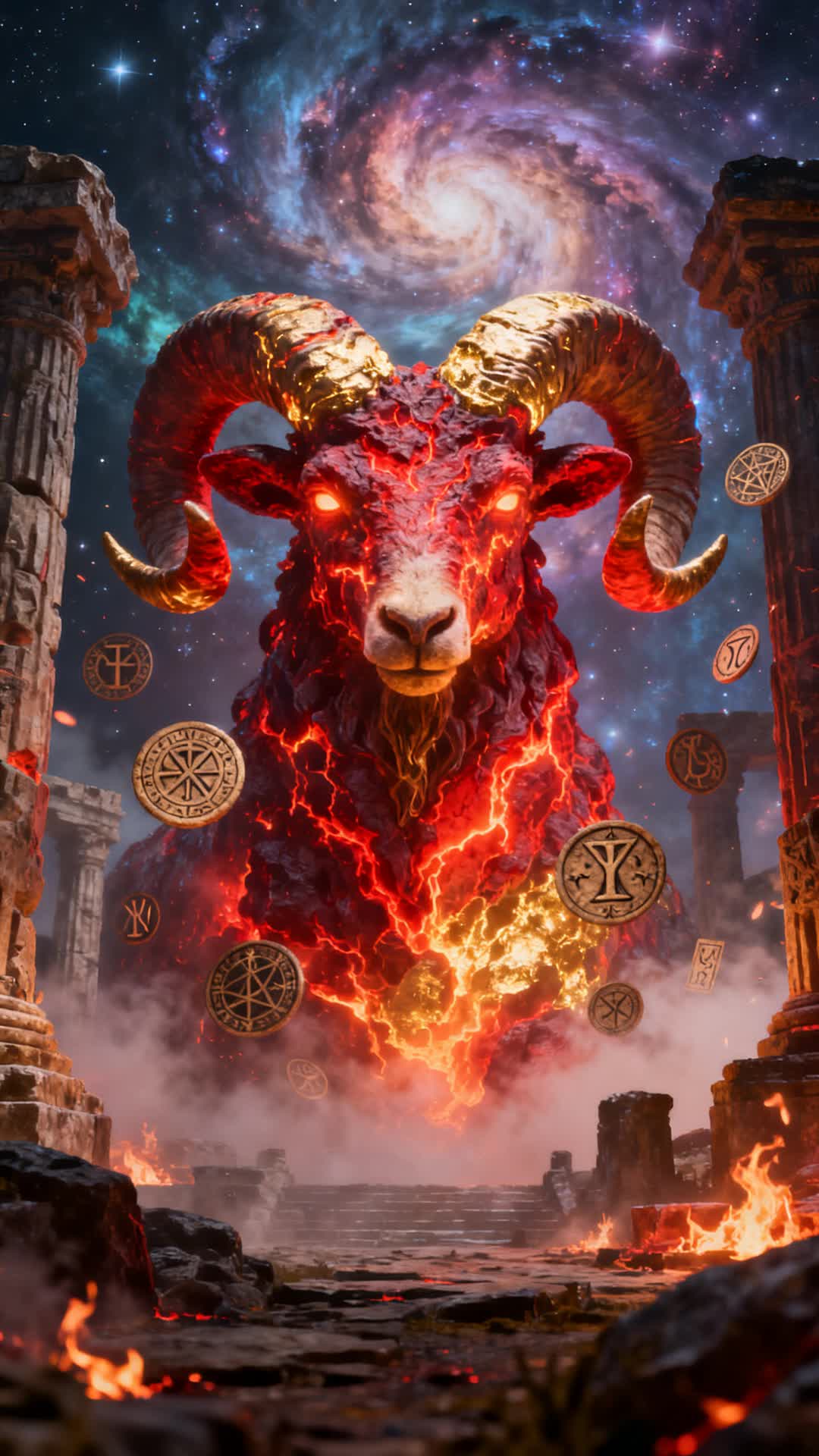
Sevgili Koç, bugün enerjin gökyüzünde kıvılcım gibi parlıyor ve sezgilerin seni yeni başlangıçlara doğru çağırıyor. İçindeki gözü pek cesarete güven, çünkü yolun açılıyor ve seni bekleyen fırsatlar var. Hiç beklemediğin anda gelen bir ilham, hayatını başka bir yöne çevirebilir. Bugünün gücünü hisset ve harekete geçmekten asla korkma!
#Koç #burçyorumları #astroloji #shorts

Napolyon Bonapart kimdir? 18–19. yüzyıl döneminde Fransa topraklarında yaşayan bu ismin hikayesini keşfet. #shorts #napoleon_bonaparte #tarih #biyografi #kimdir